
Designing a Mobile Learning
Experience for Bartenders
Designing a Mobile Learning
Experience for Bartenders
Designing a Mobile Learning
Experience for Bartenders
Case Study and Design by Jeremy Weis
Case Study and Design by Jeremy Weis
Case Study and Design by Jeremy Weis
Capstone: End to End Application
Capstone: End to End Application

Where it Began
Where it Began
Where it Began
I’ve bartended for over 20 years, and one thing has always been true: bartending education is messy. Most people learn from whoever happens to be working that night, plus a mix of handwritten notes, screenshots, YouTube videos, and “try it this way” advice that changes from shift to shift. There’s no structured place to learn the craft, understand the “why,” or keep recipes organized.
Mixr is my attempt to fix that. It’s a mobile learning experience built to help new bartenders feel confident through clear recipes, guided fundamentals, and simple, structured practice.
I’ve bartended for over 20 years, and one thing has always been true: bartending education is messy. Most people learn from whoever happens to be working that night, plus a mix of handwritten notes, screenshots, YouTube videos, and “try it this way” advice that changes from shift to shift. There’s no structured place to learn the craft, understand the “why,” or keep recipes organized.
Mixr is my attempt to fix that. It’s a mobile learning experience built to help new bartenders feel confident through clear recipes, guided fundamentals, and simple, structured practice.
I’ve bartended for over 20 years, and one thing has always been true: bartending education is messy. Most people learn from whoever happens to be working that night, plus a mix of handwritten notes, screenshots, YouTube videos, and “try it this way” advice that changes from shift to shift. There’s no structured place to learn the craft, understand the “why,” or keep recipes organized.
Mixr is my attempt to fix that. It’s a mobile learning experience built to help new bartenders feel confident through clear recipes, guided fundamentals, and simple, structured practice.
The Problem
The Problem
The Problem
Bartenders don’t have a reliable way to learn. They rely on coworkers who may not teach the same way, YouTube videos that vary in quality, and recipe sites that don’t explain why techniques matter.
This leads to:
Bartenders don’t have a reliable way to learn. They rely on coworkers who may not teach the same way, YouTube videos that vary in quality, and recipe sites that don’t explain why techniques matter.
This leads to:
Bartenders don’t have a reliable way to learn. They rely on coworkers who may not teach the same way, YouTube videos that vary in quality, and recipe sites that don’t explain why techniques matter.
This leads to:
• Inconsistent drink quality
• Low confidence
• Slow skill development
• Frustration during busy shifts
• Inconsistent drink quality
• Low confidence
• Slow skill development
• Frustration during busy shifts
• Inconsistent drink quality
• Low confidence
• Slow skill development
• Frustration during busy shifts
Mixr brings structure to a craft that desperately needs it — combining fundamentals, inspiration, step‑by‑step guidance, and recipe organization into one guided learning path.
Mixr brings structure to a craft that desperately needs it — combining fundamentals, inspiration, step‑by‑step guidance, and recipe organization into one guided learning path.
Mixr brings structure to a craft that desperately needs it — combining fundamentals, inspiration, step‑by‑step guidance, and recipe organization into one guided learning path.

01
01
01
Empathize
Empathize
Empathize
Week 1-2
Week 1-2
Week 1-2
Research Part 1: Interviewing Bartenders
Research Part 1: Interviewing Bartenders
Research Part 1: Interviewing Bartenders
Even though I’ve bartended for over 20 years, I didn’t want Mixr to be based only on my own experience.
I needed to understand how bartenders at different stages of their careers learn today — how they pick up new techniques, how they keep track of drinks they want to remember, and what actually helps them feel confident behind the bar. So I interviewed five bartenders and bar managers across experience levels and venue types. The conversations were honest, sometimes funny, and surprisingly familiar.
Even though I’ve bartended for over 20 years, I didn’t want Mixr to be based only on my own experience.
I needed to understand how bartenders at different stages of their careers learn today — how they pick up new techniques, how they keep track of drinks they want to remember, and what actually helps them feel confident behind the bar. So I interviewed five bartenders and bar managers across experience levels and venue types. The conversations were honest, sometimes funny, and surprisingly familiar.
Even though I’ve bartended for over 20 years, I didn’t want Mixr to be based only on my own experience.
I needed to understand how bartenders at different stages of their careers learn today — how they pick up new techniques, how they keep track of drinks they want to remember, and what actually helps them feel confident behind the bar. So I interviewed five bartenders and bar managers across experience levels and venue types. The conversations were honest, sometimes funny, and surprisingly familiar.
What Everyone Had in Common
What Everyone Had in Common
What Everyone Had in Common
Across all five interviews, the same patterns kept showing up — regardless of whether someone had one year of bartending experience or twenty‑three.
Across all five interviews, the same patterns kept showing up — regardless of whether someone had one year of bartending experience or twenty‑three.
Across all five interviews, the same patterns kept showing up — regardless of whether someone had one year of bartending experience or twenty‑three.

Information is scattered and unreliable
Bartenders constantly jump between Google, YouTube, coworkers, and notes, often during service, and still struggle to find clear answers.

Training is inconsistent or inadequate everywhere
Training is inconsistent or inadequate everywhere
Training is inconsistent or inadequate everywhere
Beginners feel overwhelmed, mid‑career bartenders feel embarrassed when missing ingredients, and veterans say confidence is harder than skill.
Beginners feel overwhelmed, mid‑career bartenders feel embarrassed when missing ingredients, and veterans say confidence is harder than skill.
Beginners feel overwhelmed, mid‑career bartenders feel embarrassed when missing ingredients, and veterans say confidence is harder than skill.

Flavor pairing knowledge is a major gap
Flavor pairing knowledge is a major gap
Flavor pairing knowledge is a major gap
Everyone wants to understand what works together, why certain combinations fail, and how to build intentional drinks.
Everyone wants to understand what works together, why certain combinations fail, and how to build intentional drinks.
Everyone wants to understand what works together, why certain combinations fail, and how to build intentional drinks.

Self‑taught through fragmented resources
Self‑taught through fragmented resources
Self‑taught through fragmented resources
Everyone learned bartending from coworkers, Google, YouTube, books, or personal notes — never through a structured program.
Everyone learned bartending from coworkers, Google, YouTube, books, or personal notes — never through a structured program.
Everyone learned bartending from coworkers, Google, YouTube, books, or personal notes — never through a structured program.
Training is inconsistent or inadequate everywhere
Training is inconsistent or inadequate everywhere
Training is inconsistent or inadequate everywhere
Beginners feel overwhelmed, mid‑career bartenders feel embarrassed when missing ingredients, and veterans say confidence is harder than skill.
Beginners feel overwhelmed, mid‑career bartenders feel embarrassed when missing ingredients, and veterans say confidence is harder than skill.
Beginners feel overwhelmed, mid‑career bartenders feel embarrassed when missing ingredients, and veterans say confidence is harder than skill.

Rarely‑made drinks are easily forgotten
Even experienced bartenders forget recipes they don’t make often, especially without repetition or structure.
Unexpected Insights That Helped Shape Mixr
Unexpected Insights That Helped Shape Mixr
Unexpected Insights That Helped Shape Mixr

Confidence grows through continuous learning
Confidence grows through continuous learning
Confidence grows through continuous learning
Confidence isn’t fixed — even experienced bartenders build it by staying curious, adapting to new trends, and practicing unfamiliar drinks. This inspired Mixr’s confidence‑rating and guided practice features to help users strengthen the areas they need most.
Confidence isn’t fixed — even experienced bartenders build it by staying curious, adapting to new trends, and practicing unfamiliar drinks. This inspired Mixr’s confidence‑rating and guided practice features to help users strengthen the areas they need most.
Confidence isn’t fixed — even experienced bartenders build it by staying curious, adapting to new trends, and practicing unfamiliar drinks. This inspired Mixr’s confidence‑rating and guided practice features to help users strengthen the areas they need most.

Balanced mocktails matter more than ever
Balanced mocktails matter more than ever
Balanced mocktails matter more than ever
More guests are choosing non‑alcoholic drinks, and bartenders are expected to create mocktails that feel intentional — not just juice or soda. Understanding ratios and balance is essential for building drinks that taste structured and satisfying without alcohol.
More guests are choosing non‑alcoholic drinks, and bartenders are expected to create mocktails that feel intentional — not just juice or soda. Understanding ratios and balance is essential for building drinks that taste structured and satisfying without alcohol.
More guests are choosing non‑alcoholic drinks, and bartenders are expected to create mocktails that feel intentional — not just juice or soda. Understanding ratios and balance is essential for building drinks that taste structured and satisfying without alcohol.
Inventory customization keeps inspiration relevant
Inventory customization keeps inspiration relevant
Inventory customization keeps inspiration relevant
Bartenders want drink ideas based on the ingredients they actually have, not recipes their bar can’t make. Customizing bar inventory will make Mixr’s inspiration truly practical — and while it’s an important direction for the product, it’s planned for a future update beyond the MVP.
Bartenders want drink ideas based on the ingredients they actually have, not recipes their bar can’t make. Customizing bar inventory will make Mixr’s inspiration truly practical — and while it’s an important direction for the product, it’s planned for a future update beyond the MVP.
Bartenders want drink ideas based on the ingredients they actually have, not recipes their bar can’t make. Customizing bar inventory will make Mixr’s inspiration truly practical — and while it’s an important direction for the product, it’s planned for a future update beyond the MVP.
Research Part 1: Interviewing Bartenders
Research Part 1: Interviewing Bartenders
Research Part 1: Interviewing Bartenders
Even though I’ve bartended for over 20 years, I didn’t want Mixr to be based only on my own experience.
I needed to understand how bartenders at different stages of their careers learn today — how they pick up new techniques, how they keep track of drinks they want to remember, and what actually helps them feel confident behind the bar. So I interviewed five bartenders and bar managers across experience levels and venue types. The conversations were honest, sometimes funny, and surprisingly familiar.
Even though I’ve bartended for over 20 years, I didn’t want Mixr to be based only on my own experience.
I needed to understand how bartenders at different stages of their careers learn today — how they pick up new techniques, how they keep track of drinks they want to remember, and what actually helps them feel confident behind the bar. So I interviewed five bartenders and bar managers across experience levels and venue types. The conversations were honest, sometimes funny, and surprisingly familiar.
Even though I’ve bartended for over 20 years, I didn’t want Mixr to be based only on my own experience.
I needed to understand how bartenders at different stages of their careers learn today — how they pick up new techniques, how they keep track of drinks they want to remember, and what actually helps them feel confident behind the bar. So I interviewed five bartenders and bar managers across experience levels and venue types. The conversations were honest, sometimes funny, and surprisingly familiar.
What Everyone Had in Common
What Everyone Had in Common
What Everyone Had in Common
Across all five interviews, the same patterns kept showing up — regardless of whether someone had one year of bartending experience or twenty‑three.
Across all five interviews, the same patterns kept showing up — regardless of whether someone had one year of bartending experience or twenty‑three.
Across all five interviews, the same patterns kept showing up — regardless of whether someone had one year of bartending experience or twenty‑three.
Self‑taught through fragmented resources
Self‑taught through fragmented resources
Self‑taught through fragmented resources
Everyone learned bartending from coworkers, Google, YouTube, books, or personal notes — never through a structured program.
Everyone learned bartending from coworkers, Google, YouTube, books, or personal notes — never through a structured program.
Everyone learned bartending from coworkers, Google, YouTube, books, or personal notes — never through a structured program.
Training is inconsistent or inadequate everywhere
Training is inconsistent or inadequate everywhere
Training is inconsistent or inadequate everywhere
Beginners feel overwhelmed, mid‑career bartenders feel embarrassed when missing ingredients, and veterans say confidence is harder than skill.
Beginners feel overwhelmed, mid‑career bartenders feel embarrassed when missing ingredients, and veterans say confidence is harder than skill.
Beginners feel overwhelmed, mid‑career bartenders feel embarrassed when missing ingredients, and veterans say confidence is harder than skill.
Flavor pairing knowledge is a major gap
Flavor pairing knowledge is a major gap
Flavor pairing knowledge is a major gap
Everyone wants to understand what works together, why certain combinations fail, and how to build intentional drinks.
Everyone wants to understand what works together, why certain combinations fail, and how to build intentional drinks.
Everyone wants to understand what works together, why certain combinations fail, and how to build intentional drinks.
Information is scattered and unreliable
Information is scattered and unreliable
Information is scattered and unreliable
Bartenders constantly jump between Google, YouTube, coworkers, and notes, often during service, and still struggle to find clear answers.
Bartenders constantly jump between Google, YouTube, coworkers, and notes, often during service, and still struggle to find clear answers.
Bartenders constantly jump between Google, YouTube, coworkers, and notes, often during service, and still struggle to find clear answers.
Rarely‑made drinks are easily forgotten
Rarely‑made drinks are easily forgotten
Rarely‑made drinks are easily forgotten
Even experienced bartenders forget recipes they don’t make often, especially without repetition or structure.
Even experienced bartenders forget recipes they don’t make often, especially without repetition or structure.
Even experienced bartenders forget recipes they don’t make often, especially without repetition or structure.
Unexpected Insights That Helped Shape Mixr
Unexpected Insights That Helped Shape Mixr
Unexpected Insights That Helped Shape Mixr
Three unexpected insights emerged from the interviews that directly influenced Mixr’s design direction.
Three unexpected insights emerged from the interviews that directly influenced Mixr’s design direction.
Three unexpected insights emerged from the interviews that directly influenced Mixr’s design direction.
Confidence grows through continuous learning
Confidence grows through continuous learning
Confidence grows through continuous learning
onfidence isn’t fixed — even experienced bartenders build it by staying curious, adapting to new trends, and practicing unfamiliar drinks. This inspired Mixr’s confidence‑rating and guided practice features to help users strengthen the areas they need most.
onfidence isn’t fixed — even experienced bartenders build it by staying curious, adapting to new trends, and practicing unfamiliar drinks. This inspired Mixr’s confidence‑rating and guided practice features to help users strengthen the areas they need most.
onfidence isn’t fixed — even experienced bartenders build it by staying curious, adapting to new trends, and practicing unfamiliar drinks. This inspired Mixr’s confidence‑rating and guided practice features to help users strengthen the areas they need most.
Balanced mocktails matter more than ever
Balanced mocktails matter more than ever
Balanced mocktails matter more than ever
More guests are choosing non‑alcoholic drinks, and bartenders are expected to create mocktails that feel intentional — not just juice or soda. Understanding ratios and balance is essential for building drinks that taste structured and satisfying without alcohol.
More guests are choosing non‑alcoholic drinks, and bartenders are expected to create mocktails that feel intentional — not just juice or soda. Understanding ratios and balance is essential for building drinks that taste structured and satisfying without alcohol.
More guests are choosing non‑alcoholic drinks, and bartenders are expected to create mocktails that feel intentional — not just juice or soda. Understanding ratios and balance is essential for building drinks that taste structured and satisfying without alcohol.
Inventory customization keeps inspiration relevant
Inventory customization keeps inspiration relevant
Inventory customization keeps inspiration relevant
Bartenders want drink ideas based on the ingredients they actually have, not recipes their bar can’t make. Customizing bar inventory will make Mixr’s inspiration truly practical — and while it’s an important direction for the product, it’s planned for a future update beyond the MVP.
Bartenders want drink ideas based on the ingredients they actually have, not recipes their bar can’t make. Customizing bar inventory will make Mixr’s inspiration truly practical — and while it’s an important direction for the product, it’s planned for a future update beyond the MVP.
Bartenders want drink ideas based on the ingredients they actually have, not recipes their bar can’t make. Customizing bar inventory will make Mixr’s inspiration truly practical — and while it’s an important direction for the product, it’s planned for a future update beyond the MVP.
Research Part 2: What Today’s Bartending Apps Don’t Teach
Research Part 2: What Today’s Bartending Apps Don’t Teach
Research Part 2: What Today’s Bartending Apps Don’t Teach
Before designing Mixr, I wanted to understand what bartenders already rely on — and where those tools fall short. I compared BarSmarts, Mixel, and Difford’s Guide side‑by‑side, and while each one shines in its own lane, none of them support the full journey of learning, practicing, and growing as a bartender. The gaps became even clearer when I mapped their features.
Here’s how they compare:
Before designing Mixr, I wanted to understand what bartenders already rely on — and where those tools fall short. I compared BarSmarts, Mixel, and Difford’s Guide side‑by‑side, and while each one shines in its own lane, none of them support the full journey of learning, practicing, and growing as a bartender. The gaps became even clearer when I mapped their features.
Here’s how they compare:
Before designing Mixr, I wanted to understand what bartenders already rely on — and where those tools fall short. I compared BarSmarts, Mixel, and Difford’s Guide side‑by‑side, and while each one shines in its own lane, none of them support the full journey of learning, practicing, and growing as a bartender. The gaps became even clearer when I mapped their features.
Here’s how they compare:

What These Insights Reveal
What These Insights Reveal
What These Insights Reveal
All three insights point to the same conclusion: bartenders have plenty of tools, but none that teach, guide, and grow their craft in a unified, meaningful way.
All three insights point to the same conclusion: bartenders have plenty of tools, but none that teach, guide, and grow their craft in a unified, meaningful way.
All three insights point to the same conclusion: bartenders have plenty of tools, but none that teach, guide, and grow their craft in a unified, meaningful way.
02
02
02
Define
Define
Define
Week 3
Week 3
Week 3
Mapping Patterns Behind the Bar
Mapping Patterns Behind the Bar
Mapping Patterns Behind the Bar
After gathering insights from interviews and observations, I organized every finding into an affinity map to uncover patterns in bartenders’ goals, frustrations, and behaviors. This process helped me visualize how fragmented learning, inconsistent training, and confidence gaps connect across different experience levels.
After gathering insights from interviews and observations, I organized every finding into an affinity map to uncover patterns in bartenders’ goals, frustrations, and behaviors. This process helped me visualize how fragmented learning, inconsistent training, and confidence gaps connect across different experience levels.
After gathering insights from interviews and observations, I organized every finding into an affinity map to uncover patterns in bartenders’ goals, frustrations, and behaviors. This process helped me visualize how fragmented learning, inconsistent training, and confidence gaps connect across different experience levels.
Through clustering, several clear themes emerged: bartenders are motivated to learn but struggle with scattered resources, unclear standards, and limited reinforcement. Many rely on trial‑and‑error or peer advice, which leads to uneven skill development and uncertainty behind the bar.
Unexpectedly, flavor theory surfaced as a major gap — bartenders want to understand why drinks work, not just memorize recipes. This revealed that confidence is as much psychological as it is instructional, shaped by clarity, repetition, and validation.
Mapping these insights made it clear that bartenders don’t just need more information — they need structure, guidance, and a trusted source that connects learning with real‑world performance. These clusters ultimately informed the three distinct bartender types I defined next.
Through clustering, several clear themes emerged: bartenders are motivated to learn but struggle with scattered resources, unclear standards, and limited reinforcement. Many rely on trial‑and‑error or peer advice, which leads to uneven skill development and uncertainty behind the bar.
Unexpectedly, flavor theory surfaced as a major gap — bartenders want to understand why drinks work, not just memorize recipes. This revealed that confidence is as much psychological as it is instructional, shaped by clarity, repetition, and validation.
Mapping these insights made it clear that bartenders don’t just need more information — they need structure, guidance, and a trusted source that connects learning with real‑world performance. These clusters ultimately informed the three distinct bartender types I defined next.
Through clustering, several clear themes emerged: bartenders are motivated to learn but struggle with scattered resources, unclear standards, and limited reinforcement. Many rely on trial‑and‑error or peer advice, which leads to uneven skill development and uncertainty behind the bar.
Unexpectedly, flavor theory surfaced as a major gap — bartenders want to understand why drinks work, not just memorize recipes. This revealed that confidence is as much psychological as it is instructional, shaped by clarity, repetition, and validation.
Mapping these insights made it clear that bartenders don’t just need more information — they need structure, guidance, and a trusted source that connects learning with real‑world performance. These clusters ultimately informed the three distinct bartender types I defined next.


Consolidating the Research Into Three Distinct Bartenders
Consolidating the Research Into Three Distinct Bartenders
Consolidating the Research Into Three Distinct Bartenders
After analyzing the research, three clear types of bartenders emerged — each representing a unique mindset, set of challenges, and opportunity for Mixr to make an impact. These individuals capture the range of users Mixr is designed to support, from those just starting out to those leading teams behind the bar.
After analyzing the research, three clear types of bartenders emerged — each representing a unique mindset, set of challenges, and opportunity for Mixr to make an impact. These individuals capture the range of users Mixr is designed to support, from those just starting out to those leading teams behind the bar.
After analyzing the research, three clear types of bartenders emerged — each representing a unique mindset, set of challenges, and opportunity for Mixr to make an impact. These individuals capture the range of users Mixr is designed to support, from those just starting out to those leading teams behind the bar.

Alex
The New Bartender
Alex
The New Bartender
Alex
The New Bartender
Challenge: Scattered training resources make it difficult to know where to begin.
Challenge: Scattered training resources make it difficult to know where to begin.
Challenge: Scattered training resources make it difficult to know where to begin.
Goal: Build confidence through clear, structured guidance.
Goal: Build confidence through clear, structured guidance.
Goal: Build confidence through clear, structured guidance.

Shannon
The Training-Focused
Manager
Shannon
The Training-Focused
Manager
Shannon
The Training-Focused
Manager
Challenge: Inconsistent training creates knowledge gaps across staff and shifts.
Challenge: Inconsistent training creates knowledge gaps across staff and shifts.
Challenge: Inconsistent training creates knowledge gaps across staff and shifts.
Goal: Create a consistent, scalable approach to onboarding and skill development.
Goal: Create a consistent, scalable approach to onboarding and skill development.
Goal: Create a consistent, scalable approach to onboarding and skill development.

Jordan
The Developing Bartender
Jordan
The Developing Bartender
Jordan
The Developing Bartender
Challenge: Memorizing recipes does not provide the understanding needed to adapt drinks confidently.
Challenge: Memorizing recipes does not provide the understanding needed to adapt drinks confidently.
Challenge: Memorizing recipes does not provide the understanding needed to adapt drinks confidently.
Goal: Learn the techniques and flavor principles behind each recipe.
Goal: Learn the techniques and flavor principles behind each recipe.
Goal: Learn the techniques and flavor principles behind each recipe.
03
03
03
Ideate and Design
Ideate and Design
Ideate and Design
Week 4-6
Week 4-6
Week 4-6
Translating Insights Into Action
Translating Insights Into Action
Translating Insights Into Action
Research and interviews revealed three core needs:
Structured learning.
Clear explanations of why drinks work
A reliable place to practice and reference recipes.
These insights shaped the foundation of Mixr’s MVP and guided every major design decision.
To address these needs, Mixr focuses on these essential experiences:
Research and interviews revealed three core needs:
Structured learning.
Clear explanations of why drinks work
A reliable place to practice and reference recipes.
These insights shaped the foundation of Mixr’s MVP and guided every major design decision.
To address these needs, Mixr focuses on these essential experiences:
Research and interviews revealed three core needs:
Structured learning.
Clear explanations of why drinks work
A reliable place to practice and reference recipes.
These insights shaped the foundation of Mixr’s MVP and guided every major design decision.
To address these needs, Mixr focuses on these essential experiences:
1
1
1
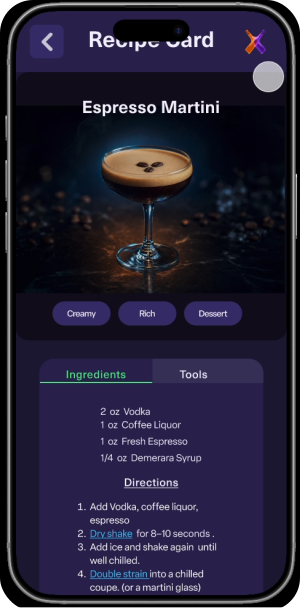
Guided Learning Paths
Guided Learning Paths
Guided Learning Paths
Structured progression that builds confidence and reduces overwhelm.
Structured progression that builds confidence and reduces overwhelm.
Structured progression that builds confidence and reduces overwhelm.

2
2
2
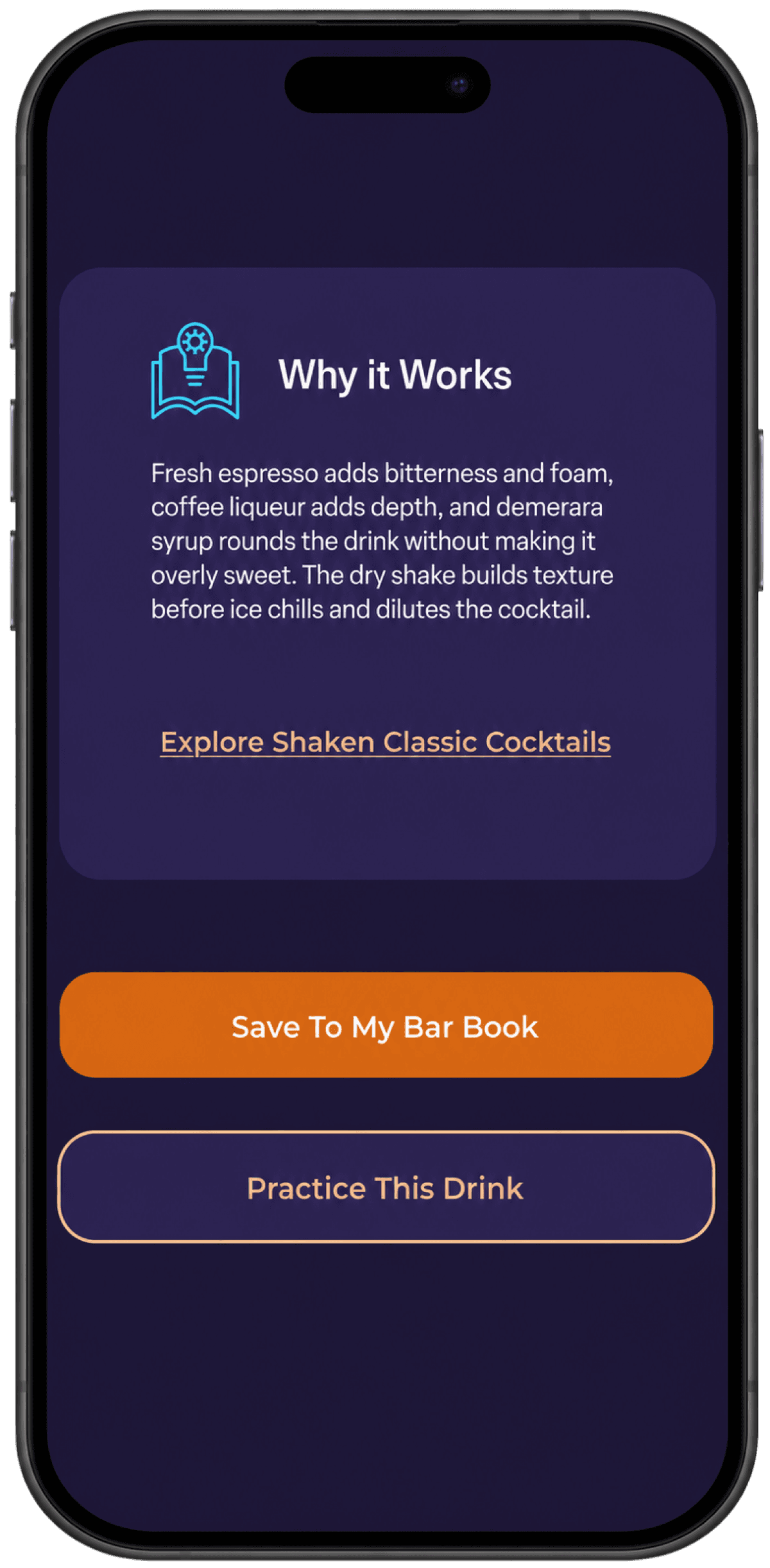
Principles‑First Education
Principles‑First Education
Principles‑First Education
Teaching the “why” behind drinks, not just recipes.
Teaching the “why” behind drinks, not just recipes.
Teaching the “why” behind drinks, not just recipes.
3
3
3
Fast, Reliable Reference Access
Fast, Reliable Reference Access
Fast, Reliable Reference Access
Quick lookups and offline usability for real bar environments.
Quick lookups and offline usability for real bar environments.
Quick lookups and offline usability for real bar environments.


4
4
4
Unified Learning + Reference Hub
Unified Learning + Reference Hub
Unified Learning + Reference Hub
One trusted source connecting education and performance.
One trusted source connecting education and performance.
One trusted source connecting education and performance.

5
5
5
Personal Recipe Library
Personal Recipe Library
Personal Recipe Library
A dedicated space for bartenders to save, organize, and quickly reference recipes during service or future practice.
A dedicated space for bartenders to save, organize, and quickly reference recipes during service or future practice.
A dedicated space for bartenders to save, organize, and quickly reference recipes during service or future practice.

04
04
04
Test
Test
Test
Week 7
Week 7
Week 7
Turning the Flow Into a Testable Prototype
Turning the Flow Into a Testable Prototype
Turning the Flow Into a Testable Prototype
With Mixr’s core structure in place, I connected the key screens into a clickable mobile prototype. Rather than test every part of the app at once, I focused on one journey that brought its main purpose together:
With Mixr’s core structure in place, I connected the key screens into a clickable mobile prototype. Rather than test every part of the app at once, I focused on one journey that brought its main purpose together:
With Mixr’s core structure in place, I connected the key screens into a clickable mobile prototype. Rather than test every part of the app at once, I focused on one journey that brought its main purpose together:
Find a drink → Save it to Bar Book → Return to it later → Begin practice
Find a drink → Save it to Bar Book → Return to it later → Begin practice
Find a drink → Save it to Bar Book → Return to it later → Begin practice
After working so closely on Mixr, this path felt familiar to me. I needed to step back and see whether someone encountering it for the first time could move through it without explanation.
After working so closely on Mixr, this path felt familiar to me. I needed to step back and see whether someone encountering it for the first time could move through it without explanation.
After working so closely on Mixr, this path felt familiar to me. I needed to step back and see whether someone encountering it for the first time could move through it without explanation.

Putting Mixr in Front of Users
Putting Mixr in Front of Users
Putting Mixr in Front of Users
I tested the flow of Mixr remotely through Maze with five participants. Using the Espresso Martini as a real-world scenario, I asked them to find the recipe, save it to Bar Book, return to it, and begin practicing.
I tracked completion, time, misclicks, and navigation patterns. I wasn’t only looking for whether participants could finish the journey—I wanted to understand where they hesitated and whether Mixr’s organization felt as intuitive to them as it did to me.
I tested the flow of Mixr remotely through Maze with five participants. Using the Espresso Martini as a real-world scenario, I asked them to find the recipe, save it to Bar Book, return to it, and begin practicing.
I tracked completion, time, misclicks, and navigation patterns. I wasn’t only looking for whether participants could finish the journey—I wanted to understand where they hesitated and whether Mixr’s organization felt as intuitive to them as it did to me.
I tested the flow of Mixr remotely through Maze with five participants. Using the Espresso Martini as a real-world scenario, I asked them to find the recipe, save it to Bar Book, return to it, and begin practicing.
I tracked completion, time, misclicks, and navigation patterns. I wasn’t only looking for whether participants could finish the journey—I wanted to understand where they hesitated and whether Mixr’s organization felt as intuitive to them as it did to me.


Success Revealed a Different Problem
Success Revealed a Different Problem
Success Revealed a Different Problem
5/5 users tested completed each task and reached the intended outcome, giving both tasks a 100% success rate with no recorded drop-off.
At first, that suggested the core journey was working.
5/5 users tested completed each task and reached the intended outcome, giving both tasks a 100% success rate with no recorded drop-off.
At first, that suggested the core journey was working.
5/5 users tested completed each task and reached the intended outcome, giving both tasks a 100% success rate with no recorded drop-off.
At first, that suggested the core journey was working.
But the interaction data told a more complicated story:
But the interaction data told a more complicated story:
But the interaction data told a more complicated story:
Although everyone who completed the tasks reached the intended outcome, the interaction data revealed something the success rate alone could not: users were still hesitating.
Although everyone who completed the tasks reached the intended outcome, the interaction data revealed something the success rate alone could not: users were still hesitating.
Although everyone who completed the tasks reached the intended outcome, the interaction data revealed something the success rate alone could not: users were still hesitating.
Return and practice
48.8% misclick rate
Return and practice
48.8% misclick rate
Return and practice
48.8% misclick rate
Find and save
81.6% misclick rate
Find and save
81.6% misclick rate
Find and save
81.6% misclick rate


Heatmaps showed participants exploring the learning content before locating their saved recipes.
The flow was usable, but it was not yet effortless.
Heatmaps showed participants exploring the learning content before locating their saved recipes.
The flow was usable, but it was not yet effortless.
Heatmaps showed participants exploring the learning content before locating their saved recipes.
The flow was usable, but it was not yet effortless.


Refining the Experience
Refining the Experience
Refining the Experience
Although all five participants completed the tasks, heatmaps and misclicks showed they hesitated and hunted for saved drinks and inspiration, so I focused iterations on clarifying hierarchy and making those areas easier to find.
Here are the changes made:
Although all five participants completed the tasks, heatmaps and misclicks showed they hesitated and hunted for saved drinks and inspiration, so I focused iterations on clarifying hierarchy and making those areas easier to find.
Here are the changes made:
Although all five participants completed the tasks, heatmaps and misclicks showed they hesitated and hunted for saved drinks and inspiration, so I focused iterations on clarifying hierarchy and making those areas easier to find.
Here are the changes made:
Iteration 1:
Make My Bar Book pop
Iteration 1:
Make My Bar Book pop
Iteration 1:
Make My Bar Book pop
I renamed the saved‑recipe area to My Bar Book and gave it more visual weight on the home screen. Matching the label to the bottom nav and enlarging the section cut down the searching and made saved drinks feel like a first‑class feature.
I renamed the saved‑recipe area to My Bar Book and gave it more visual weight on the home screen. Matching the label to the bottom nav and enlarging the section cut down the searching and made saved drinks feel like a first‑class feature.
I renamed the saved‑recipe area to My Bar Book and gave it more visual weight on the home screen. Matching the label to the bottom nav and enlarging the section cut down the searching and made saved drinks feel like a first‑class feature.


Prior to testing, Saved drinks lived under My Recipes and were easy to miss; participants hesitated while hunting for saved items and inspiration.
Prior to testing, Saved drinks lived under My Recipes and were easy to miss; participants hesitated while hunting for saved items and inspiration.
Prior to testing, Saved drinks lived under My Recipes and were easy to miss; participants hesitated while hunting for saved items and inspiration.
Home Screen V.1
Screen Tested
Home Screen V.1
Screen Tested
Home Screen V.1
Screen Tested
Home Screen V.2
Screen After testing
Home Screen V.2
Screen After testing
Home Screen V.2
Screen After testing
Renamed to My Bar Book and given larger cards and visual weight so saved drinks are immediately visible and faster to access.
Renamed to My Bar Book and given larger cards and visual weight so saved drinks are immediately visible and faster to access.
Renamed to My Bar Book and given larger cards and visual weight so saved drinks are immediately visible and faster to access.
Iteration 2:
Add a clear Inspiration entry
Iteration 2:
Add a clear Inspiration entry
Iteration 2:
Add a clear Inspiration entry
Iteration 3:
Refine the Inspire Screen
Iteration 3:
Refine the Inspire Screen
Iteration 3:
Refine the Inspire Screen
During testing, Inspiration lived only in the bottom navigation and many users didn’t discover it while scanning the home screen, so I added a prominent Inspiration section to the home screen to make discovery visible up front.
During testing, Inspiration lived only in the bottom navigation and many users didn’t discover it while scanning the home screen, so I added a prominent Inspiration section to the home screen to make discovery visible up front.
During testing, Inspiration lived only in the bottom navigation and many users didn’t discover it while scanning the home screen, so I added a prominent Inspiration section to the home screen to make discovery visible up front.


I tightened the Inspire screen with a stronger featured area and clear categories (Cocktail Families, Shaken Classics, Summer Favorites). That made the page easier to scan and gave users a clear place to start.
I tightened the Inspire screen with a stronger featured area and clear categories (Cocktail Families, Shaken Classics, Summer Favorites). That made the page easier to scan and gave users a clear place to start.
I tightened the Inspire screen with a stronger featured area and clear categories (Cocktail Families, Shaken Classics, Summer Favorites). That made the page easier to scan and gave users a clear place to start.


BEFORE
Inspire Screen V.1
Screen Tested
BEFORE
Inspire Screen V.1
Screen Tested
BEFORE
Inspire Screen V.1
Screen Tested
AFTER
Inspire Screen V.2
Screen After testing
AFTER
Inspire Screen V.2
Screen After testing
AFTER
Inspire Screen V.2
Screen After testing
06
06
06
Reflections and Next Steps
Reflections and Next Steps
Reflections and Next Steps
Week 8
Week 8
Week 8
Looking Back, Moving Forward
Looking Back, Moving Forward
Looking Back, Moving Forward
Mixr began with a problem I understood personally, but the process challenged me to look beyond my own assumptions. Research, testing, and iteration showed me where my experience provided meaningful direction—and where listening more closely to users led to better decisions.
Looking back, this project taught me how to turn lived experience into a focused, user-centered product. It reinforced the importance of remaining open, responding honestly to user behavior, and treating moments of hesitation as valuable direction for what to improve next.
Mixr began with a problem I understood personally, but the process challenged me to look beyond my own assumptions. Research, testing, and iteration showed me where my experience provided meaningful direction—and where listening more closely to users led to better decisions.
Looking back, this project taught me how to turn lived experience into a focused, user-centered product. It reinforced the importance of remaining open, responding honestly to user behavior, and treating moments of hesitation as valuable direction for what to improve next.
Mixr began with a problem I understood personally, but the process challenged me to look beyond my own assumptions. Research, testing, and iteration showed me where my experience provided meaningful direction—and where listening more closely to users led to better decisions.
Looking back, this project taught me how to turn lived experience into a focused, user-centered product. It reinforced the importance of remaining open, responding honestly to user behavior, and treating moments of hesitation as valuable direction for what to improve next.

Challenges
Challenges
Challenges
One of my biggest challenges was separating what I knew as a bartender from what I assumed as a designer. My experience gave me a strong starting point, but I needed to step back and allow interviews, testing, and user behavior to shape the product.
One of my biggest challenges was separating what I knew as a bartender from what I assumed as a designer. My experience gave me a strong starting point, but I needed to step back and allow interviews, testing, and user behavior to shape the product.
One of my biggest challenges was separating what I knew as a bartender from what I assumed as a designer. My experience gave me a strong starting point, but I needed to step back and allow interviews, testing, and user behavior to shape the product.

What I learned
What I learned
What I learned
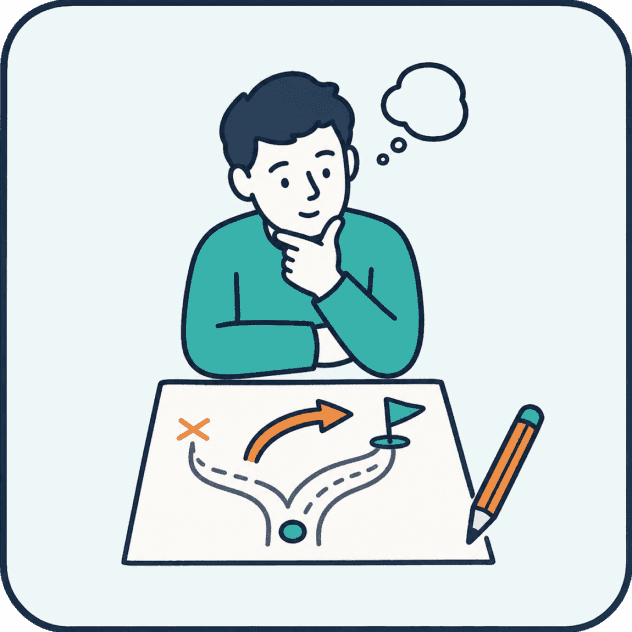
Testing taught me that task completion does not always mean an experience is clear. Although users completed the core flow, their misclicks and navigation patterns revealed hesitation that the success rate alone could not explain.
Testing taught me that task completion does not always mean an experience is clear. Although users completed the core flow, their misclicks and navigation patterns revealed hesitation that the success rate alone could not explain.
Testing taught me that task completion does not always mean an experience is clear. Although users completed the core flow, their misclicks and navigation patterns revealed hesitation that the success rate alone could not explain.
What I would do differently
What I would do differently
What I would do differently
I would test terminology and content hierarchy earlier in the process. Validating labels such as “My Bar Book” sooner could have helped establish a more consistent navigation system before the prototype reached usability testing.
I would test terminology and content hierarchy earlier in the process. Validating labels such as “My Bar Book” sooner could have helped establish a more consistent navigation system before the prototype reached usability testing.
I would test terminology and content hierarchy earlier in the process. Validating labels such as “My Bar Book” sooner could have helped establish a more consistent navigation system before the prototype reached usability testing.

Next steps
Next steps
Next steps
I would retest the latest iterations to confirm that the updated hierarchy reduces hesitation. From there, I would begin developing Mixr’s deeper learning and training experience, including structured lessons, progress tracking, and confidence-building through guided practice.
I would retest the latest iterations to confirm that the updated hierarchy reduces hesitation. From there, I would begin developing Mixr’s deeper learning and training experience, including structured lessons, progress tracking, and confidence-building through guided practice.
I would retest the latest iterations to confirm that the updated hierarchy reduces hesitation. From there, I would begin developing Mixr’s deeper learning and training experience, including structured lessons, progress tracking, and confidence-building through guided practice.
What potential employers should know
What potential employers should know
What potential employers should know
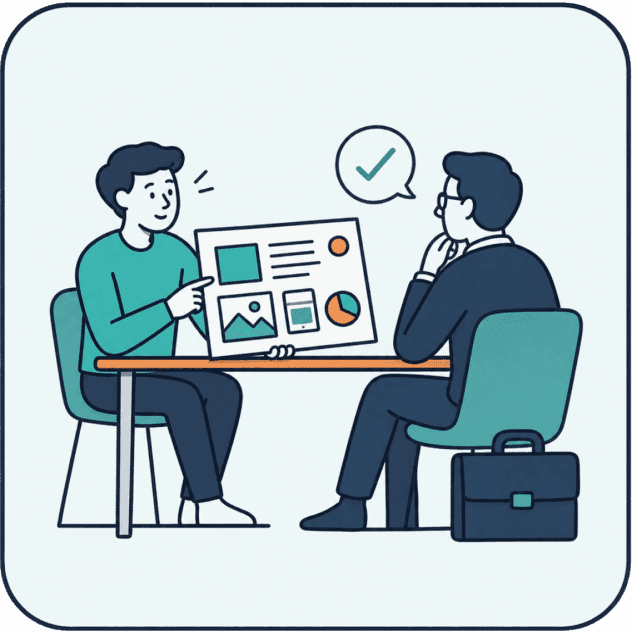
Mixr demonstrates how I translate personal experience into a research-informed product without treating my own perspective as the only answer. I can define a focused MVP, connect research to design decisions, and refine an experience when the data reveals something unexpected.
Mixr demonstrates how I translate personal experience into a research-informed product without treating my own perspective as the only answer. I can define a focused MVP, connect research to design decisions, and refine an experience when the data reveals something unexpected.
Mixr demonstrates how I translate personal experience into a research-informed product without treating my own perspective as the only answer. I can define a focused MVP, connect research to design decisions, and refine an experience when the data reveals something unexpected.

What I’m most proud of
What I’m most proud of
What I’m most proud of
I’m proud that Mixr remained connected to the experience that inspired it while evolving through the perspectives of other bartenders. It became more than a solution based on my own frustrations—it became a product shaped by listening, testing, and reflection.
I’m proud that Mixr remained connected to the experience that inspired it while evolving through the perspectives of other bartenders. It became more than a solution based on my own frustrations—it became a product shaped by listening, testing, and reflection.
I’m proud that Mixr remained connected to the experience that inspired it while evolving through the perspectives of other bartenders. It became more than a solution based on my own frustrations—it became a product shaped by listening, testing, and reflection.